Pregnancy changes everything, including your skin. Hormones can bring breakouts, dryness, sensitivity, or dark patches and at the same time you’re told half your favorite products might not be safe anymore. That’s why creating a simple, pregnancy safe skincare routine can feel confusing and stressful.
This guide gives you a clear starting point:

- How pregnancy affects your skin
- Ingredients commonly recommended to avoid
- Ingredients usually considered safer during pregnancy
- A step-by-step pregnancy safe skincare routine (morning and night)
- Answers to common questions about retinol, acne treatments, and sunscreen
Important: This article is for general information only and is not medical advice. Always discuss your skincare products and medications with your obstetrician or dermatologist.
Table of Contents
How Pregnancy Changes Your Skin
During pregnancy, hormone shifts and increased blood flow can lead to:
- More acne or clogged pores
- Melasma or dark patches on the face
- Dryness and sensitivity, especially if you were already using active ingredients
- Stretch marks on the body as the skin stretches
- Overall skin that feels “different” from your usual baseline.
A good pregnancy safe skincare routine focuses on three things:
- Protecting your skin barrier
- Avoiding ingredients with known or suspected risks
- Keeping your routine gentle and minimal
Ingredients Commonly Recommended to Avoid in Pregnancy
Medical organizations and dermatologists generally recommend being cautious with certain ingredients while pregnant. Always check labels and, if in doubt, ask your doctor. We also have Skin care routine for people working on computer all day.
1. Retinoids (Retinol, Tretinoin, Adapalene, Tazarotene, Isotretinoin)
Retinoids (vitamin A derivatives) are powerful anti-aging and acne ingredients, but both oral and topical prescription forms have been linked to birth defects. Most experts recommend avoiding all retinoids during pregnancy, including over-the-counter retinol and retinyl palmitate.
2. High-Dose Salicylic Acid and Strong Peels
Large-area or high-dose salicylic acid (like peels or strong body products) is generally not recommended. Lower concentrations (around 1-2% in small areas like the face) may be considered low-risk, but only under medical guidance.
3. Hydroquinone
Hydroquinone is a skin-lightening agent used for pigmentation. It’s highly absorbed through the skin, and due to limited safety data, it’s usually advised to avoid hydroquinone during pregnancy.
4. Some Chemical Sunscreens
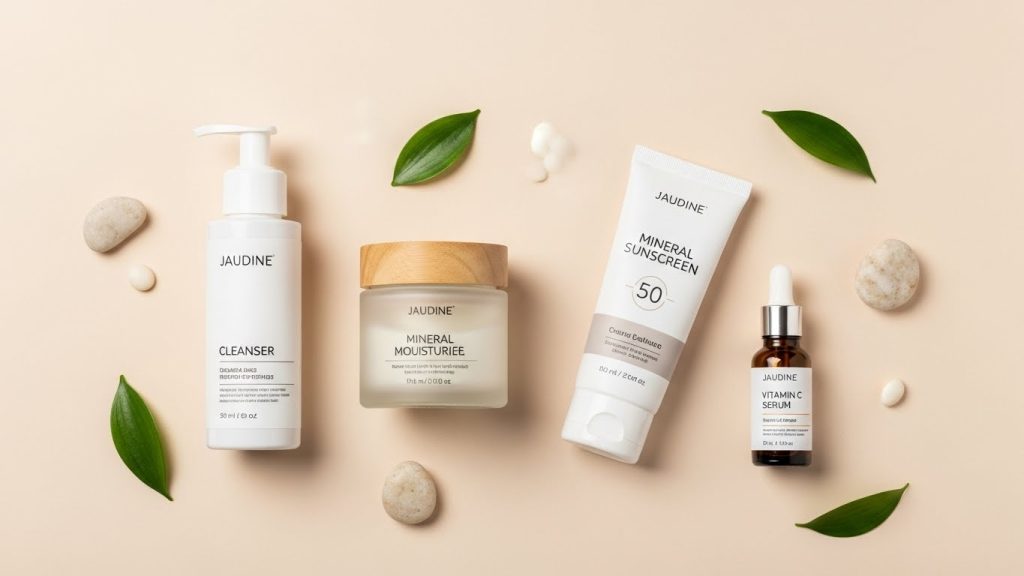
Some experts recommend caution with specific chemical UV filters during pregnancy due to potential hormone-like activity, although research is evolving. Many pregnant people choose mineral sunscreens (zinc oxide, titanium dioxide) as a lower-concern option.
5. Certain Essential Oils & Strong Fragrance
High concentrations of some essential oils (like clary sage) and heavily fragranced products can trigger irritation or, in rare cases, other issues. Keeping fragrance low and patch-testing is wise.
Skincare Ingredients Often Considered Pregnancy-Friendly
Again, always confirm with your own doctor, but many dermatology sources consider the following ingredients generally low-risk when used as directed:
- Gentle surfactants in mild cleansers
- Hyaluronic acid – excellent for hydration
- Glycerin, panthenol, beta-glucan – barrier-friendly moisturizers
- Ceramides, cholesterol, fatty acids, squalane – barrier repair
- Niacinamide – helps with redness, barrier support, and mild pigmentation
- Vitamin C (at moderate strengths) – antioxidant and brightening
- Azelaic acid often used for acne and pigmentation, considered a useful option in pregnancy
- Low-strength AHAs like lactic or glycolic acid in leave-on products (in moderation)
- Mineral sunscreens with zinc oxide and/or titanium dioxide
Some topical acne treatments like benzoyl peroxide or low-dose salicylic acid may be used in limited amounts under a doctor’s supervision. Always get personalized advice, especially if you have moderate or severe acne.
Morning Pregnancy Safe Skincare Routine
This sample pregnancy safe skincare routine is designed to be gentle and simple. You can adjust the textures based on whether your skin is dry, oily, or combination.
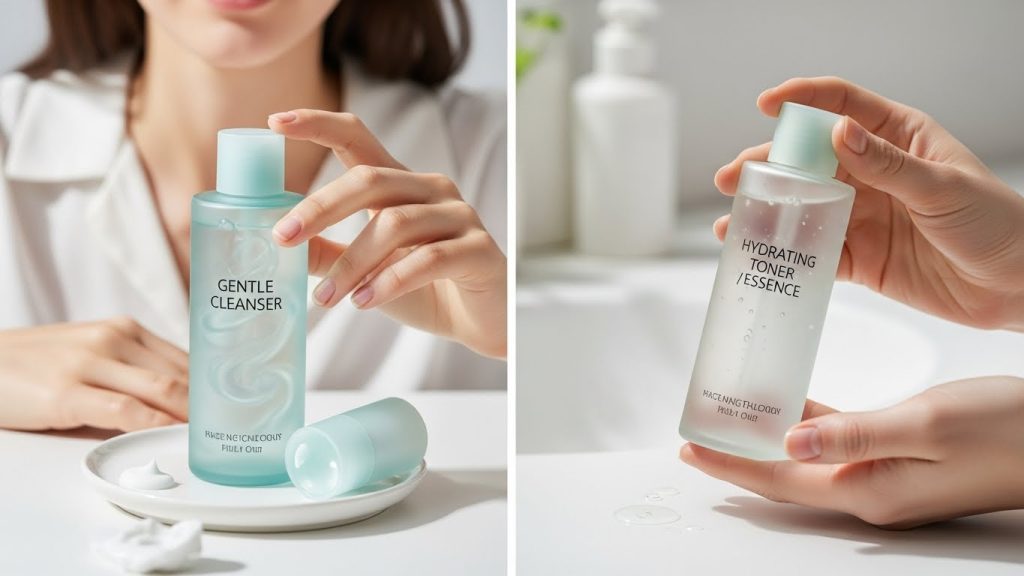
Step 1: Gentle Cleanser
Use a mild, fragrance-light cleanser once in the morning:
- Look for words like “gentle,” “sensitive skin,” or “hydrating.”
- Avoid harsh scrubs or cleansers with strong acids.
If your skin is very dry, you may just splash with lukewarm water and cleanse only at night.
Step 2: Hydrating Toner or Essence (Optional)
If your skin feels tight or dehydrated:
- Choose a hydrating toner or essence with hyaluronic acid, glycerin, or aloe.
- Avoid toners that are heavy in alcohol or strong acids.
Pat gently into the skin with clean hands.

Step 3: Antioxidant Serum
A simple antioxidant step fits beautifully into a pregnancy safe skincare routine:
- Vitamin C or niacinamide serums can help with dullness and mild pigmentation.
- Start with moderate strengths to reduce the risk of irritation.
Apply a few drops, wait a minute for it to absorb.
Step 4: Moisturizer
Seal in hydration with a barrier-supportive moisturizer:
- Dry or sensitive skin: Creams with ceramides, squalane, shea butter.
- Normal or combination skin: Lightweight cream or gel-cream.
- Oily skin: Non-comedogenic gel moisturizer.
Keep formulas simple and fragrance-light during pregnancy to reduce irritation.
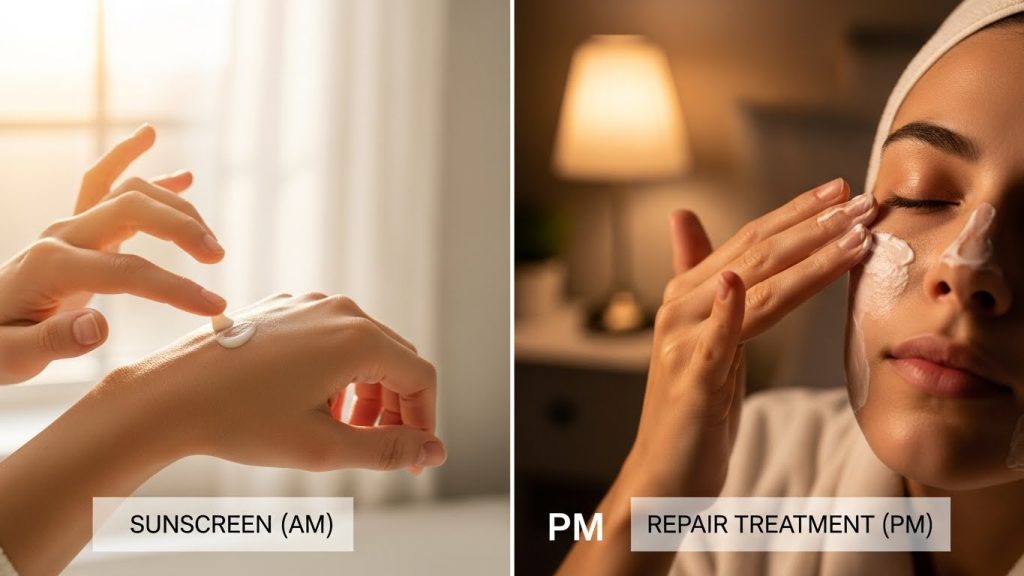
Step 5: Pregnancy-Friendly Sunscreen
Daily SPF is crucial, especially to help reduce melasma and dark patches that are common in pregnancy.
- Choose broad-spectrum SPF 30 or higher.
- Many pregnant people prefer mineral sunscreens (zinc oxide, titanium dioxide).
- Apply generously as the last step of your morning routine, and reapply if you’re outside or near windows for long periods.
Evening Pregnancy Safe Skincare Routine
Your night routine focuses on cleansing gently and supporting repair.
Step 1: Makeup & Sunscreen Removal
If you wear makeup or heavy sunscreen:
- Start with a gentle oil cleanser, cleansing balm, or micellar water.
- Follow with your regular gentle cleanser to remove residue.
If you don’t wear makeup, one cleanse with a mild face wash is enough.
Step 2: Hydrating Toner or Serum
After cleansing, re-hydrate:
- Use a hydrating toner or serum with hyaluronic acid or glycerin.
- If your skin is extremely sensitive, you can skip this and move straight to moisturizer.
Step 3: Targeted, Pregnancy-Friendly Treatment
Depending on your skin concerns, your pregnancy safe skincare routine at night can include:
- For acne or bumps: A doctor-approved product with azelaic acid or limited-area use of benzoyl peroxide or low-strength salicylic acid, if your OB-GYN/dermatologist okays it.
- For pigmentation or melasma: Azelaic acid, niacinamide, vitamin C (introduced slowly and watched for irritation).
Keep treatments to one active step at a time and avoid layering multiple strong products in the same night.
Step 4: Richer Night Moisturizer
Finish with a slightly richer moisturizer than you use in the morning:
- Look for ceramides, cholesterol, fatty acids, shea butter, or squalane.
- This helps calm irritation, support your skin barrier, and reduce dryness.
Optional: Body Care for Comfort
Topical products can’t guarantee prevention of stretch marks, but they can help your skin feel more comfortable and hydrated. Apply a fragrance-light body cream or oil to your belly, hips, and thighs once or twice a day.
Minimal Pregnancy Safe Skincare Routine (If You’re Exhausted)
If you’re dealing with nausea, fatigue, or just no energy for a multi-step routine, here’s a 3-step version:
Morning
- Gentle cleanser or just water rinse
- Simple moisturizer
- Mineral sunscreen SPF 30+
Night
- Gentle cleanser
- Hydrating serum or azelaic acid (if approved)
- Moisturizer
Consistency beats perfection. A small, safe routine you can stick to is better than a perfect routine you never do.
Skincare Tips by Skin Type During Pregnancy
Oily or Acne-Prone Skin
- Use a gentle foaming cleanser.
- Choose gel or light lotion moisturizers labeled “non-comedogenic.”
- Ask your doctor about azelaic acid or limited-use benzoyl peroxide/salicylic acid if breakouts are severe.
Dry or Sensitive Skin
- Use cream or milk cleansers, avoid foaming washes that leave your skin tight.
- Layer hydrating toner/essence before moisturizer.
- Choose rich creams with ceramides and avoid strong exfoliants.
Combination Skin
- Use a gentle foaming or gel cleanser.
- Light moisturizer in the T-zone, slightly richer around dry areas like cheeks.
- Spot-treat acne rather than treating your whole face with strong actives.
Frequently Asked Questions About Pregnancy Safe Skincare
Can I use retinol or prescription retinoids during pregnancy?
Most experts recommend avoiding all forms of retinoids (including retinol, tretinoin, adapalene, and isotretinoin) during pregnancy due to links between retinoids and birth defects when used orally and a conservative approach for topical use. Always talk to your doctor about any retinoid prescriptions you were using before getting pregnant.
What can I use for acne in a pregnancy safe skincare routine?
Mild pregnancy acne can sometimes be managed with:
– Gentle cleanser
– Oil-free, non-comedogenic moisturizer
– Doctor-approved products such as azelaic acid, or limited-area benzoyl peroxide or low-dose salicylic acid
For moderate or severe acne, always see a dermatologist
Are chemical sunscreens unsafe during pregnancy?
The research is evolving. Some professionals suggest cautious use or prefer mineral sunscreens (zinc oxide, titanium dioxide) to reduce potential concerns about chemical UV filters. If you’re unsure, discuss your usual sunscreen with your OB-GYN and choose a mineral formula if it gives you more peace of mind.
Can skincare really prevent stretch marks?
Topical products can help your skin feel more comfortable and hydrated, but evidence for completely preventing stretch marks is limited. Genetics, how quickly your skin stretches, and other factors play a big role. Regular moisturizing can reduce itchiness and dryness, and stretch marks often fade over time after birth.
Final Thoughts
A pregnancy safe skincare routine doesn’t have to be complicated or expensive. Focus on:
- A gentle cleanser
- Hydrating, barrier-supportive moisturizer
- Daily broad-spectrum SPF (often mineral)
- One or two pregnancy-friendly treatments for your main concern
And most importantly, run your routine past your obstetrician or dermatologist, especially if you use any prescription products or strong actives.