
Anxiety symptoms often include constant worry, restlessness, racing thoughts, tight chest, rapid heartbeat, stomach issues, and trouble sleeping. Short, science-backed skills—slowed breathing (longer exhales), grounding (5-4-3-2-1), and brief movement—can bring fast relief. If symptoms persist two weeks or more or disrupt daily life, consider a screening and speak with a licensed professional. Anxiety is highly treatable with therapies like CBT, exposure therapy, and—when appropriate—medication.
Table of Contents
- What Anxiety Really Is
- Common Anxiety Symptoms (Mental & Physical)
- Anxiety vs. Panic Attack (Quick Compare)
- Why Anxiety Shows Up: Root Causes
- How to Calm Anxiety Fast (Do-Now Skills)
- Long-Term Relief: Proven Treatments
- Sleep, Nutrition & Lifestyle Foundations
- Self-Check: Could It Be GAD?
- When to Get Professional Help
- FAQs (People Also Ask)
- Bottom Line
What Anxiety Really Is
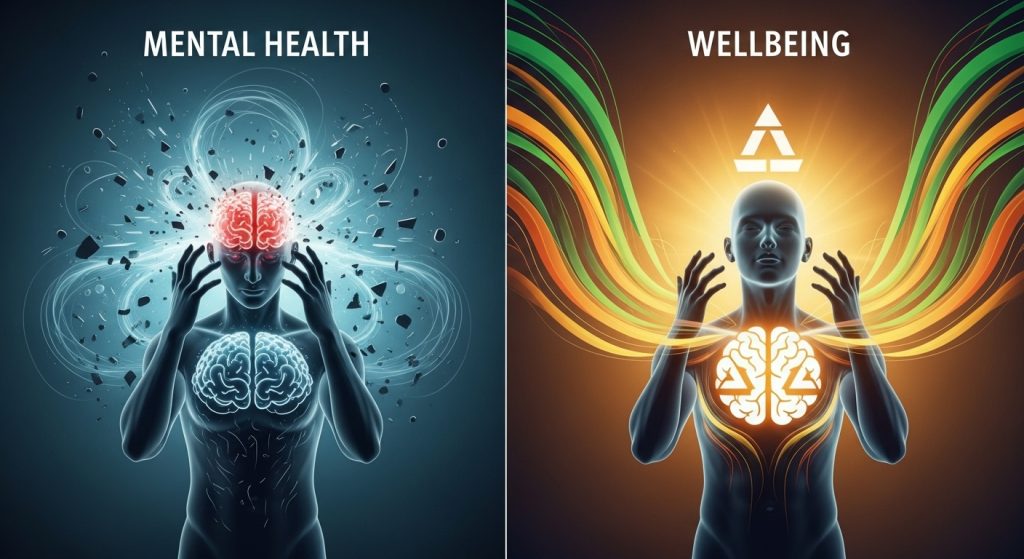
Anxiety is your body’s built-in alarm system. When it works as intended, it keeps you alert for deadlines, driving in traffic, or speaking to a crowd. It becomes a problem when the alarm goes off too often, too intensely, or for situations that aren’t dangerous. That’s when anxiety symptoms start impacting work, school, sleep, and relationships.
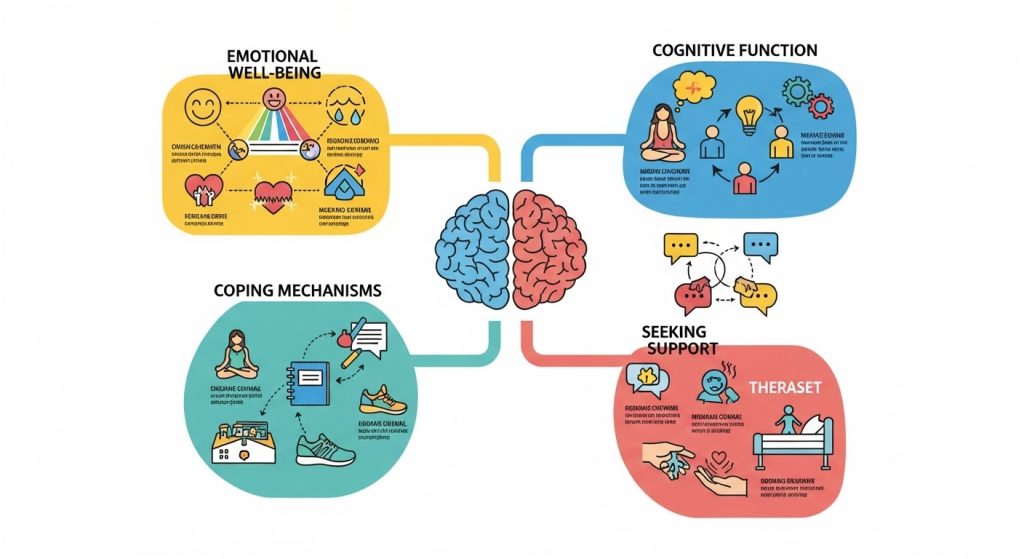
Key idea: Anxiety is not a character flaw. It’s a pattern in the brain-body system shaped by biology, learning, stress, and environment that can be retrained with the right tools and support.
Common Anxiety Symptoms (Mental & Physical)
Mental and emotional symptoms:
- Persistent worry or dread, often about multiple areas of life
- Racing thoughts or mental looping (replaying conversations, worst-case scenarios)
- Irritability and low frustration tolerance
- Difficulty concentrating, indecision, or feeling foggy
- Hypervigilance: constantly scanning for danger, even when safe
- Avoidance: putting off tasks, skipping events, or staying home to prevent discomfort
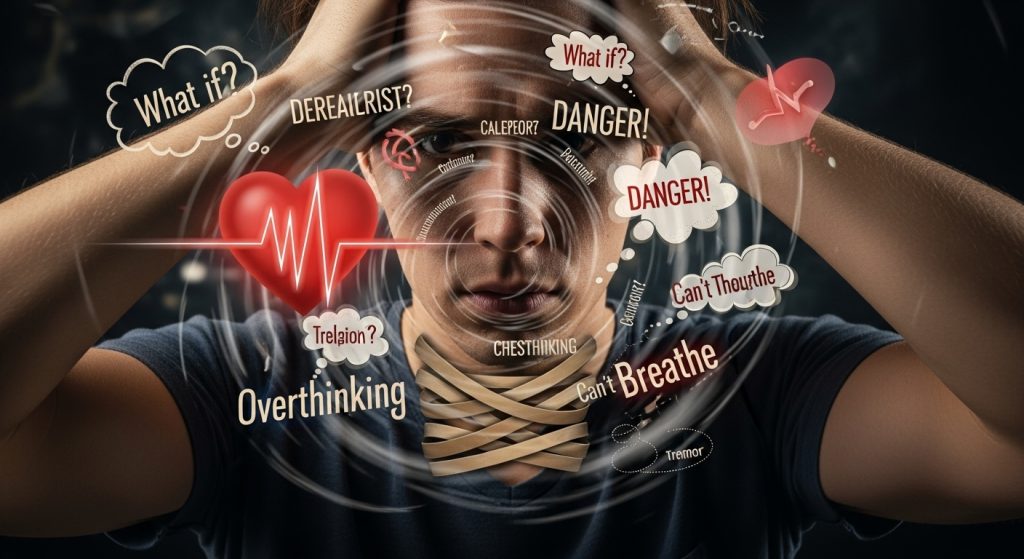
Physical symptoms of anxiety:
- Chest tightness or pressure; rapid heartbeat (palpitations)
- Shortness of breath or shallow breathing
- Muscle tension, clenched jaw, shoulder/neck aches, headaches
- Stomach issues: nausea, butterflies, urgency, or IBS-like flares
- Sweating, trembling, dizziness, lightheadedness
- Hot or cold flashes, tingling in hands/feet
- Sleep problems: trouble falling asleep, early waking, vivid or restless sleep
Note: Anxiety symptoms are real body sensations not “just in your head.” Your nervous system drives them, which is why breathing and movement can calm them even before your thoughts catch up.
Anxiety vs. Panic Attack (Quick Compare)
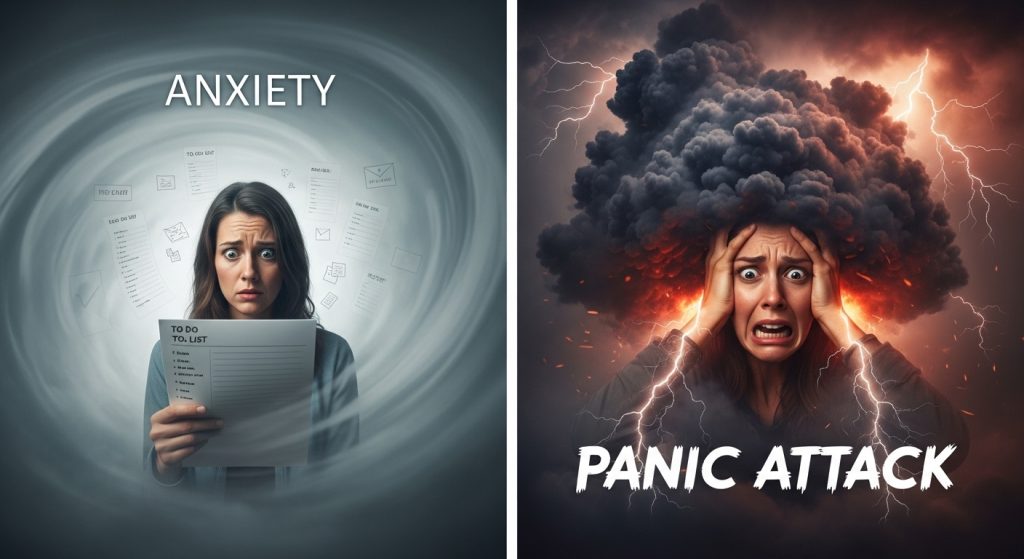
Anxiety: gradual onset, builds with stress; lasts hours to days; thoughts include “what if…?” worry; body signs include muscle tension and restlessness; best immediate help is skills plus lifestyle adjustments.
Panic attack: sudden surge peaking within minutes; 5-30 minutes with possible aftershocks; thoughts include “I’m dying/losing control”; body signs include heart racing, chest tightness, breath changes, dizziness; best immediate help is slow breathing, grounding, and riding the wave followed by therapy planning.
Why Anxiety Shows Up: Root Causes
There’s rarely a single cause. Most people experience a mix of factors:
- Biology & genetics: Some people are more sensitive to stress hormones and cues.
- Learning & past experiences: If worry “worked” before, your brain may repeat it.
- Stress load: Work pressure, caregiving, money worries, discrimination, transitions.
- Trauma: Accidents, abuse, medical events, or chronic adversity can sensitize the alarm system.
- Lifestyle patterns: Too little sleep, high caffeine or alcohol, skipping meals, limited movement.
- Cognitive habits: Catastrophizing, all-or-nothing thinking, checking and reassurance seeking.
Good news: The same system that learns anxiety can learn calm. Repeated, small experiences of safety through skills and gradual exposure teach your brain to stand down.
How to Calm Anxiety Fast (Do-Now Skills)
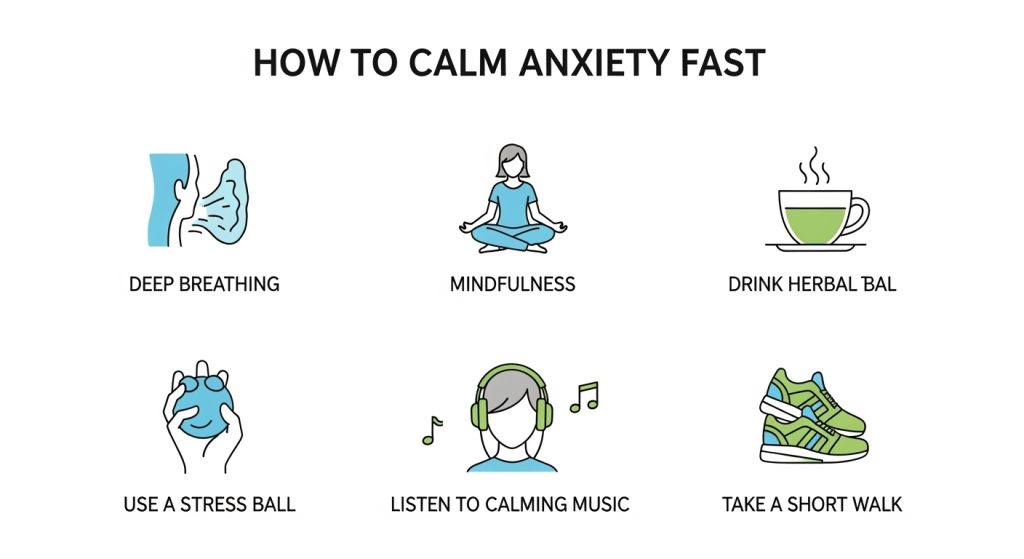
When symptoms spike, aim for body first, then brain. Calming the nervous system reduces the intensity of anxious thoughts.
1) The 4-2-6 Breath (90-180 seconds): Inhale through nose 4, hold 2, exhale through mouth 6; repeat 6-10 cycles. Longer exhales activate the parasympathetic system.
2) Grounding (5-4-3-2-1): List 5 things you see, 4 feel, 3 hear, 2 smell, 1 taste. This re-anchors attention to the present.
3) Micro-Movement Reset: Stand, stretch, walk briefly. Motion changes emotion by releasing muscular bracing.
4) Thought Labeling: Write the worry in one sentence and label it as prediction, problem, or priority then act accordingly.
5) Temperature & Sensation: Cool water on wrists/face or hold an ice pack wrapped in cloth for 20-30 seconds to pattern-interrupt rising panic.
Pro tip: Create a pocket plan on your phone with your preferred breathing count, a grounding list, and one supportive phrase (“Waves rise and fall this will pass.”).
Long-Term Relief: Proven Treatments
Short skills are great; lasting change usually comes from structured therapy and, when appropriate, medication. Evidence-based options include:
- Cognitive Behavioral Therapy (CBT): Identifies unhelpful thought patterns and behaviors; teaches practical tools; often 8–16 sessions with practice between visits.
- Exposure Therapy: Step-by-step plan to face feared situations, sensations, or thoughts until your brain learns “safe enough.” Especially effective for panic, phobias, social anxiety, health anxiety, and OCD (with ERP).
- Acceptance and Commitment Therapy (ACT): Helps you relate differently to anxious thoughts and feelings less wrestling, more values-based action.
- Medication (when appropriate): For moderate-to-severe anxiety or when therapy alone isn’t enough, a prescriber may discuss options. Many people do best with therapy + medication + skills practice.
- Group Therapy & Skills Classes: Cost-effective, supportive environments to practice skills with others.
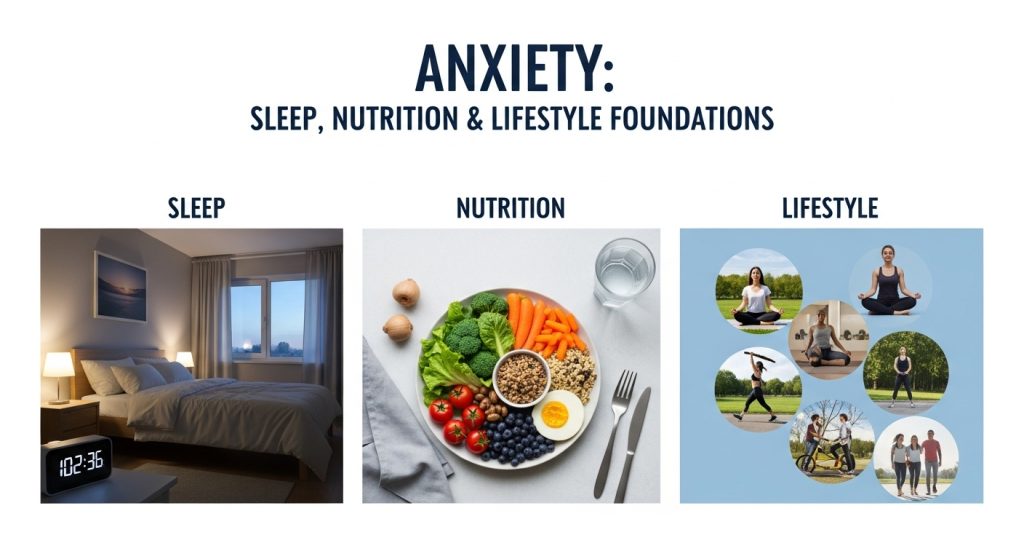
Sleep, Nutrition & Lifestyle Foundations
Treatments work best when daily routines support nervous-system balance.
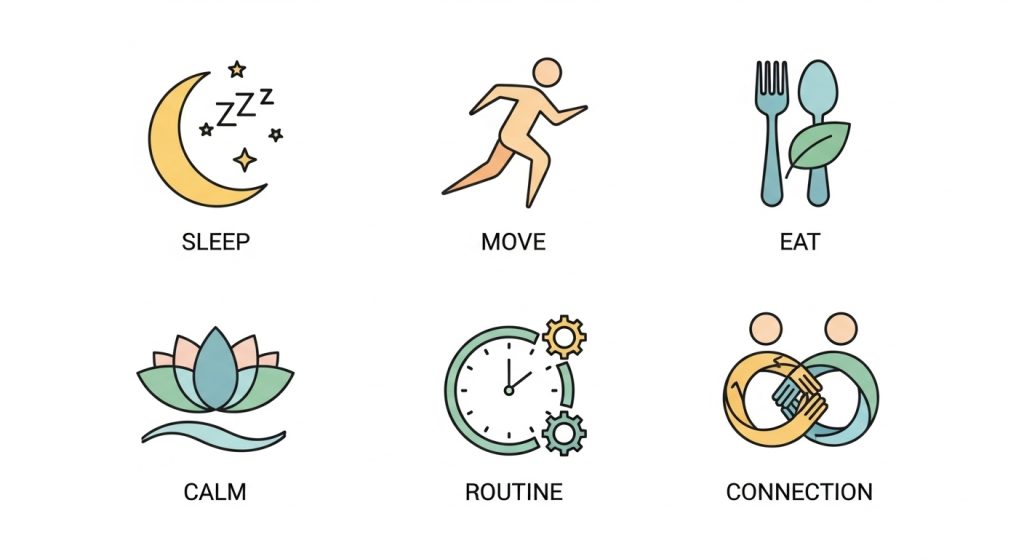
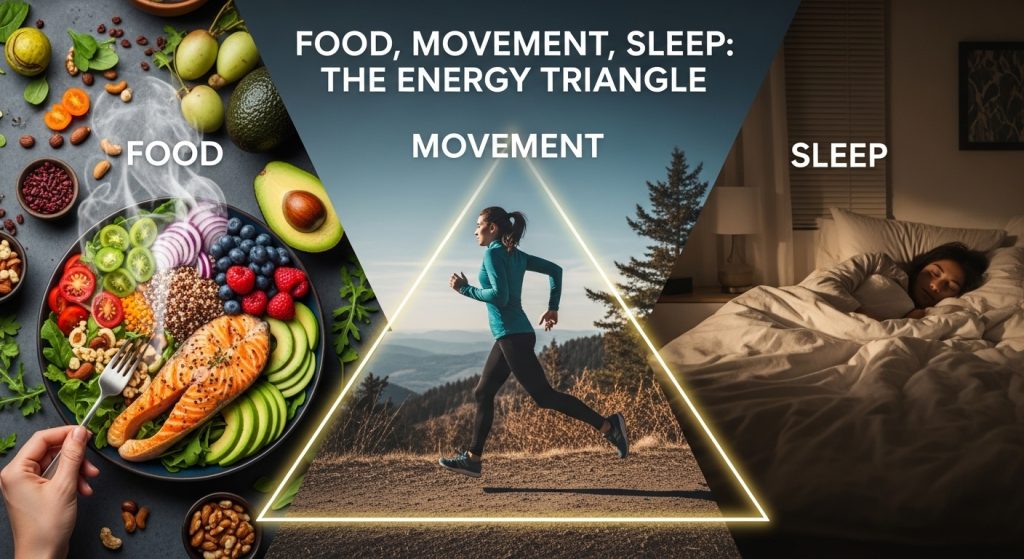
Sleep hygiene: Consistent sleep window; dim lights/screens 60 minutes before bed; cool, dark room; if you can’t sleep after 20 minutes, get up for a calm activity and return when sleepy.
Caffeine & alcohol: Caffeine can mimic anxiety try a midday cutoff. Alcohol can worsen next-day anxiety and disrupt sleep.
Balanced meals & hydration: Regular meals prevent blood sugar dips that feel like anxiety; hydrate to reduce headaches and fatigue.
Connection & boundaries: Daily check-in with a friend; protect focus blocks; say “no” when capacity is full; schedule one micro-joy per day.
Self-Check: Could It Be GAD?
Generalized Anxiety Disorder (GAD) involves persistent, excessive worry on most days for six months or longer, plus symptoms like restlessness, fatigue, muscle tension, irritability, trouble concentrating, or sleep disturbance.
Self-screenings can clarify what you’re experiencing and guide next steps. A positive screen is not a diagnosis think of it as a sign to consider a professional consultation.
Next steps: Book with a therapist offering CBT/exposure/ACT; ask your primary care provider for a referral; explore group programs or skills classes.
When to Get Professional Help
Reach out to a clinician if you notice:
- Symptoms most days for two weeks or more
- Panic attacks, strong avoidance, or performance decline at work/school
- Using alcohol or drugs to cope
- Anxiety plus depression (loss of interest, low mood)
- Any thoughts of self-harm or feeling unsafe this needs urgent support
Urgent help: If you’re in immediate danger or might act on thoughts of self-harm, call your local emergency number now. US: 988; EU/UK: 112; UK: Samaritans 116 123.
FAQs (People Also Ask)
What are the first signs of anxiety?
Persistent worry, restlessness, muscle tension, and sleep changes. Many people also notice a racing heart or tight chest.
How do I stop a panic attack quickly?
Slow breathing with longer exhales, grounding (5-4-3-2-1), and a reminder that panic peaks and passes. Exposure-based therapy reduces future attacks.
Can anxiety cause chest pain?
Yes, muscle tension and rapid breathing can create chest discomfort. Chest pain can have medical causes; seek medical advice if it’s new, severe, or different.
Is anxiety curable?
Anxiety is highly treatable. Many people improve with CBT, exposure therapy, ACT, lifestyle changes, and when appropriate medication.
Should I avoid caffeine?
If you’re sensitive, limit or stop by midday and track effects on sleep and symptoms.
How long does therapy take?
Short-term protocols like CBT typically run 8–16 sessions, depending on goals and severity.